Counting Macros
Why Counting Macros Could Change the Way You Lose Weight
If you're a woman over 50, chances are you've tried more than one approach to losing weight.
Maybe you've counted calories, cut carbohydrates, tried intermittent fasting, or followed a meal plan that promised amazing results.
And maybe some of those approaches worked for a while.
But eventually, life happened. The diet became difficult to maintain, the weight stopped coming off, or you found yourself right back where you started.
Sound familiar?
What if you didn't need another diet? What if you needed a better understanding of what you're eating and how to fuel your body?
That's where counting macros comes in.
What Are Macros, Anyway?
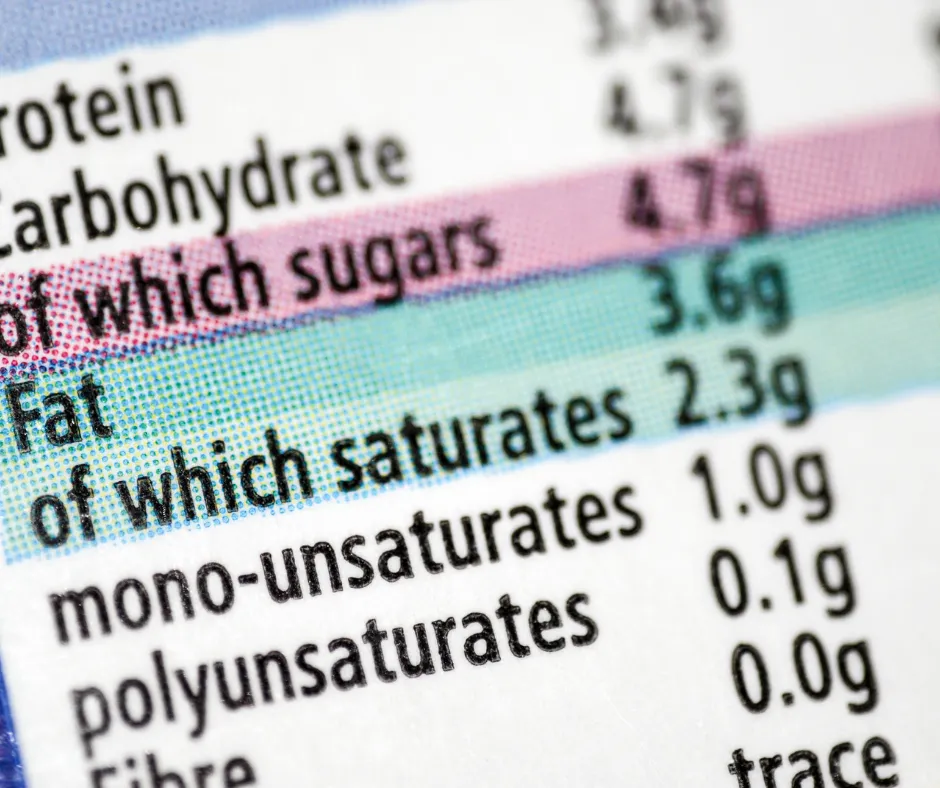
Macros, short for macronutrients, are the three main nutrients that provide our bodies with energy.
Protein: Helps build and maintain muscle, supports recovery, and helps keep you satisfied.
Carbohydrates: Provide energy for your brain, muscles, and daily activities.
Fat: Supports hormone production, nutrient absorption, and overall health.
Each macronutrient also provides calories:
Protein: 4 calories per gram
Carbohydrates: 4 calories per gram
Fat: 9 calories per gram
When you count macros, you're tracking how much of each nutrient you consume throughout the day.
But here's what makes this approach different from simply counting calories.
Calories help us understand how much energy we're consuming. Macros help us understand where that energy is coming from.
And both pieces of information can be valuable when you're trying to lose weight.
Why Does This Matter for Weight Loss?
Weight loss generally requires consuming fewer calories than your body uses over time.
But losing weight isn't the only thing we should care about, especially as we get older.
We also want to maintain muscle, feel energetic, manage hunger, and support our overall health.
That's one of the reasons I like macro tracking.
Rather than focusing only on eating less, we can begin focusing on eating more intentionally.
And unlike restrictive diets that eliminate entire food groups, macro tracking allows flexibility.
You can still enjoy bread, pasta, potatoes, and even your favorite dessert. The goal is learning how different foods fit into your overall nutrition plan.
Of course, food quality still matters. We want plenty of nutrient-dense foods, fiber, vitamins, and minerals.
But that doesn't mean you need to eliminate everything you enjoy.
A nutrition plan that only works when life is perfect isn't a very good long-term plan.
Is Counting Macros Right for Everyone?
Not necessarily.
Macro tracking is one tool for managing nutrition. It isn't the only effective approach to weight loss, and some people find tracking stressful or overly restrictive.
But if you're tired of guessing about what to eat, want more structure, and would like to better understand your nutrition habits, it may be worth exploring.
And you don't have to track forever.
The goal is to learn what works for your body and develop habits you can maintain.
What's Next?
In my next post, we'll explore why protein deserves special attention after 50 and how macro tracking can help you protect something incredibly important as you lose weight: your muscle.
Because losing weight is one thing. Losing weight while maintaining your strength is another.
Karen
